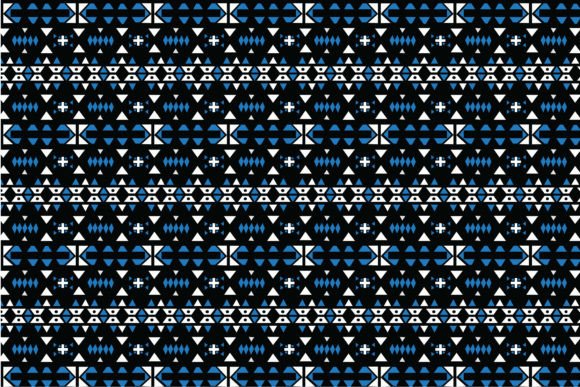
African Kente Pattern Resources
African Kente is a handwoven textile originating from the Asante and Ewe peoples of Ghana and Togo. Traditionally made on narrow-strip looms, authentic Kente features vibrant colors, geometric motifs, and symbolic patterns—each design carrying cultural meaning tied to proverbs, historical events, or social status. While handwoven Kente remains culturally significant and labor-intensive, digital pattern resources—such as seamless swatches in JPG, EPS, PDF, and AI formats—offer accessible ways to incorporate its visual language into modern design projects.
Why Consider African Kente Patterns?
Designers, crafters, and small-business owners often seek African Kente patterns for their strong visual identity and cultural resonance. These patterns support inclusive design practices, especially when used with awareness and respect for their origins. A seamless African Kente pattern can serve functional roles: as background textures for websites or presentations, repeating motifs for fabric printing, or structural elements in packaging and stationery. Its versatility makes it relevant across disciplines—from apparel development to print-based paper crafts.
Practical Benefits of Digital African Kente Assets
The provided assets—a 2000×2000 px JPG, a 2000×2000 px vector EPS file, a PDF, and an AI file—offer flexibility across workflows:
- JPG: Suitable for web use, mockups, or sublimation previews where raster fidelity at high resolution is needed.
- EPS: A scalable vector format ideal for large-format printing, embroidery digitizing, or adapting motifs without quality loss.
- PDF: Useful for sharing color references, embedding in print-ready layouts, or archiving specifications.
- AI (Adobe Illustrator): Enables direct editing—recoloring, resizing, isolating elements, or integrating with other vector assets.
Because the swatch is seamless, it tiles predictably across surfaces of any size. This matters for applications like wallpaper design, textile repeats, or full-bleed packaging wraps—where visible seams would compromise professionalism.
Key Considerations Before Use
While digital African Kente patterns offer convenience, users should weigh several practical and ethical considerations:
- Cultural context: Kente symbolism is not decorative shorthand. Motifs like “Eban” (safety) or “Fathia Fata Nkrumah” (a tribute to intercultural marriage) carry specific meanings. Using them without understanding risks misrepresentation. When appropriateness is uncertain, consult cultural sources or prioritize designs labeled as contemporary interpretations rather than direct reproductions of sacred motifs.
- Color accuracy: Screen displays vary. The JPG and AI files reflect intended hues, but physical output—especially dye-sublimation or screen printing—may shift. Always test on target material before mass production.
- Licensing scope: Verify usage rights. Some licenses restrict commercial application, resale of derivative patterns, or use in trademarked branding. Review terms before applying to products intended for public sale.
- Technical fit: Vector EPS and AI files assume familiarity with design software. Users relying solely on basic tools (e.g., Canva or Word) may find the JPG more immediately usable—but less adaptable for scaling or recoloring.
When This African Kente Pattern Is a Strong Fit
This resource suits projects where consistency, scalability, and cultural alignment are priorities:
- Apparel prototyping: Designers developing African-inspired garments can apply the seamless pattern directly to digital fabric simulations or print-on-demand platforms.
- Packaging for heritage-aligned brands: Businesses emphasizing African roots—such as beauty lines, tea labels, or educational publishers—can use the pattern to reinforce visual continuity across boxes, tags, and tissue paper.
- Digital backgrounds and invitations: Wedding or event designers seeking culturally grounded aesthetics can tile the pattern across invitation suites or Zoom virtual backdrops without distortion.
- Educational materials: Teachers or curriculum developers may integrate the pattern into handouts or posters about West African art, ensuring visual authenticity while maintaining reproducibility.
When Alternatives May Be More Appropriate
Not every project benefits from a traditional African Kente pattern. Consider alternatives in these cases:
- Minimalist or monochrome branding: Kente’s high-contrast, multi-hue nature may clash with restrained palettes. Simplified geometric patterns or abstracted motifs might better serve clean, modern identities.
- High-volume textile production requiring precise weave simulation: For actual fabric manufacturing, woven structure matters. A flat digital repeat cannot replicate the depth, texture, or light interaction of real handwoven Kente. Physical swatches or textile-specific CAD files would be more accurate inputs.
- Projects needing motif isolation: If only one symbol—like a diamond or zigzag—is needed without repetition, a non-seamless, isolated SVG or PNG may offer more control than a tiling swatch.
- Strict accessibility requirements: Some Kente color combinations fail WCAG contrast thresholds. For public-facing digital interfaces, test legibility—especially if text overlays the pattern.
Making an Informed Decision
To determine whether this African Kente pattern aligns with your goals, ask three questions:
- What is the end medium? If output is digital-only or small-run printed items (e.g., greeting cards, tote bags), the provided assets are likely sufficient. For industrial-scale textile printing, verify compatibility with your printer’s RIP software and color-matching systems.
- How central is cultural intention to the project? If authenticity and respectful representation are core objectives, supplement the pattern with research into motif meanings, regional variations (Asante vs. Ewe), and contemporary usage guidelines. Avoid using royal or ceremonial patterns in casual contexts without consultation.
- What level of customization is needed? The AI and EPS files allow edits; the JPG does not. If you plan to adjust proportions, extract individual shapes, or adapt the repeat unit, prioritize vector formats. If you only need consistent tiling at fixed scale, the JPG suffices.
Finally, recognize that African Kente is one expression within a broader ecosystem of African textile traditions—including Adinkra, Bogolanfini (mud cloth), and Shweshwe. Depending on region, symbolism, or aesthetic preference, another tradition may better match your project’s narrative or functional needs.
Choosing a digital African Kente pattern involves balancing visual impact, technical utility, and contextual responsibility. When selected and applied thoughtfully, it supports both creative execution and meaningful cultural engagement.